Learning to Draw
~5 min read
Jump to end ↓
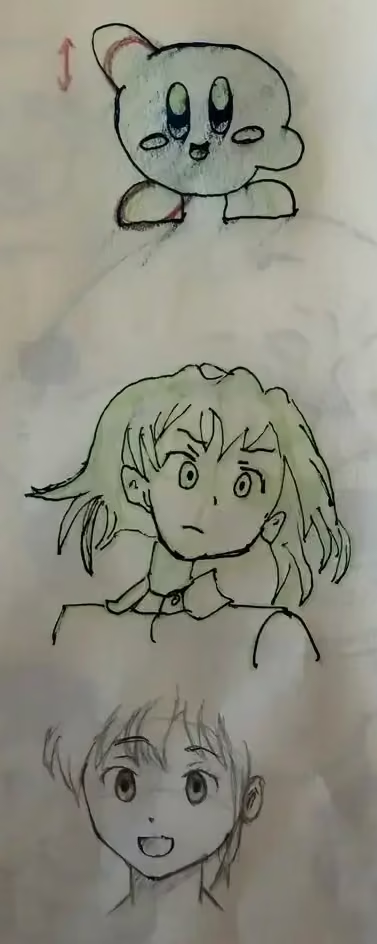
I am always trying to pursue and improve some artistic skills of any sort. Today, it is drawing with a pen & paper.
Philosophy
I want to address something first about the process of learning, and really about any skill: be it a sport, drawing, painting, singing, playing an instrument, computer stuff or carpentry. The topic does not matter.
I think it is really core to my personality and my value system. You need to be curious in life. You need to challenge yourself, and in return change will happen: a change in you, a change in the way you think, a change in the way you interact with others. One of my favourite quote is from Rene Char: “Ce qui vient au monde pour ne rien troubler ne mérite ni égards ni patience”. It translates to “That which comes into the world to disturb nothing deserves neither regard nor patience”.
It is, I think, a comment about conformism. We are conditioned and programmed through education and social circles to go into some kind of cast or place. I am not going to write a manifesto of social study here. I think, regarding learning it means that you as an individual, you are expected to learn and become good at things in your youth, then you do those things as an adult with mastery.
It takes a special type of mindset to accept starting from scratch, to suck at something and go through all this process again as an adult. In my experience a lot of people cannot stand the fear to be judged because they suck at the new thing they are learning, or just reject the process. Because most of the time, to become good at something, you have to recognize your shortcomings to drive what you need to work on. It is always iterative.
It is particularly bad in sport, where you are exposed to others directly or even in any artistic endeavour. Think about all the positive reinforcement that kids receive (I hope!!) versus skepticism or even mockery when you are older.
This is what I mean by anti-conformism in learning: it is assuming yourself. It is what I am, and I am very much so drawn to people like that too! Nothing more sexy than someone curious and learning new stuff. I see it as accepting to show vulnerability as you are not good in those things. But it is not weakness, you are actually becoming what those people will never be and that’s maybe what scares them deep down.
It brings its lot of insecurities, I would say I am rather insecure by default. But I am also extremely resilient because I know what it is to start from the bottom and what it takes to go to the top. That’s not innate, that’s learnt. The best example of this is when you go from middle school to highschool (for some it is in college). You always had good marks but now you are not doing so hot. It is because you exceeded your natural “gift” or ability, and now you need to learn how to learn. As an adult, you are always in this later mode.
The paper The Mundanity of Excellence: An Ethnographic Report on Stratification and Olympic Swimmers is often quoted related to this. There is no special sauce. The process is quite mundane and trivial (the work itself is not!).
“Excellence is mundane. Superlative performance is really a confluence of dozens of small skills or activities, each one learned or stumbled upon, which have been carefully drilled into habit and then are fitted together in a synthesize hole”.
And just to conclude this too long introduction, there is no judgement here. You pick hobbies, things you do for pleasure, things you want to do for work. When you think about your learning process in a organized maneer you roughly know what it takes to get to the level you want. And when you start from scratch it can be scary. I know at my level, I will certainly never get really that good at drawing and that’s ok. But I am ready to invest the best, aka the most efficient, use of my time to try to get “good”: an arbitrary goal defined by me.
The Art
Nowadays I am always taking classes. I have better result buying online courses than trying to self-taught myself through Youtube. Today is a bit different. It is not really an art class. It is a book.
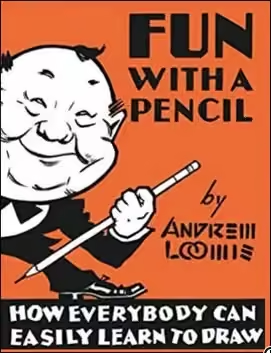
Fun With A Pencil by Andrew Loomis is an introductory book to drawing that is very commonly recommended. The author is quoted a lot because he invented a method to draw the human head. The book is from 1937. It is pretty dated, only the first part of it was interesting to me. This first part is about this eponym method. Other topics of the book like body, scene composition and perspective have more interesting alternative modern approaches.
The method is pretty straighforward.
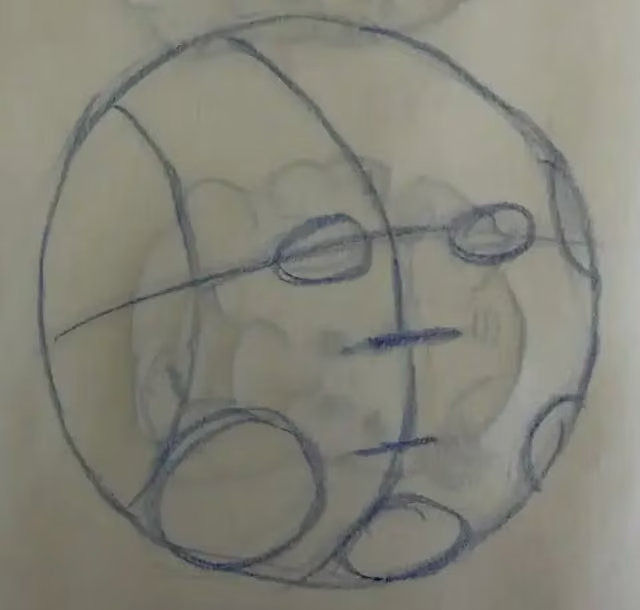
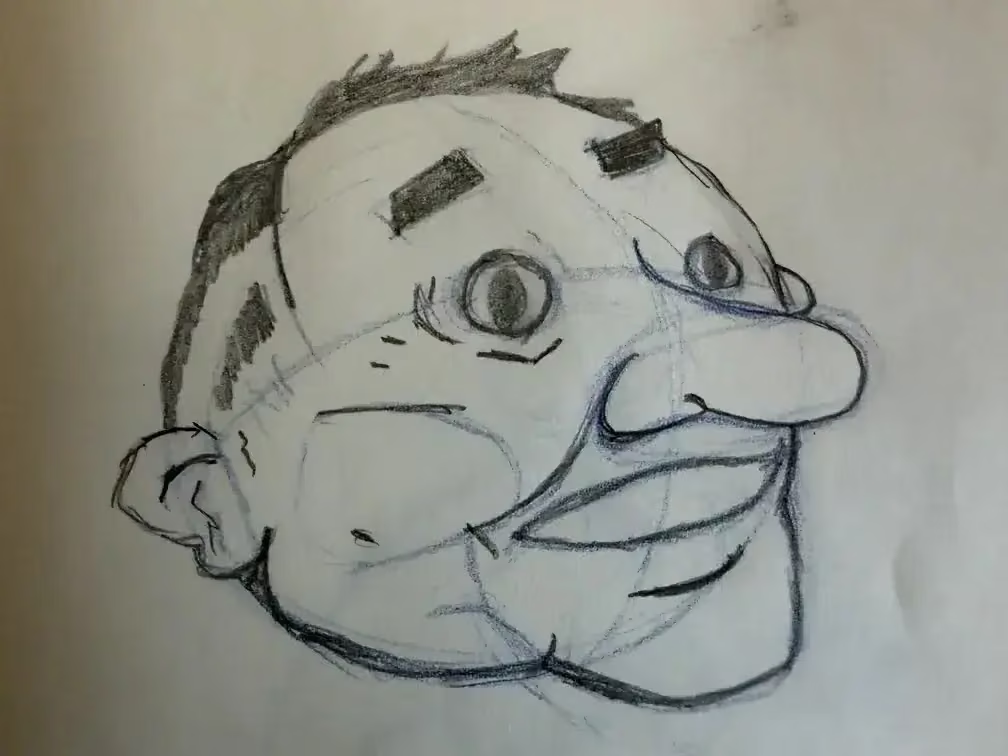
You draw a circle, then you “cut” this circle in places to position the ears, the eyes, the nose, the mouth, the cheeks, etc. It is extremely easy and you get good perspective and proportion with it in minutes.
As the following drawing would show (it is from the same blue ball):
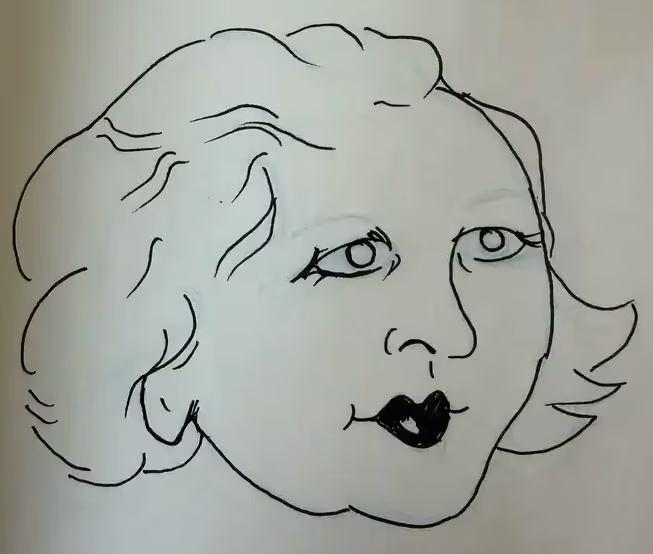
This woman’s head is my lastest Loomis entry.
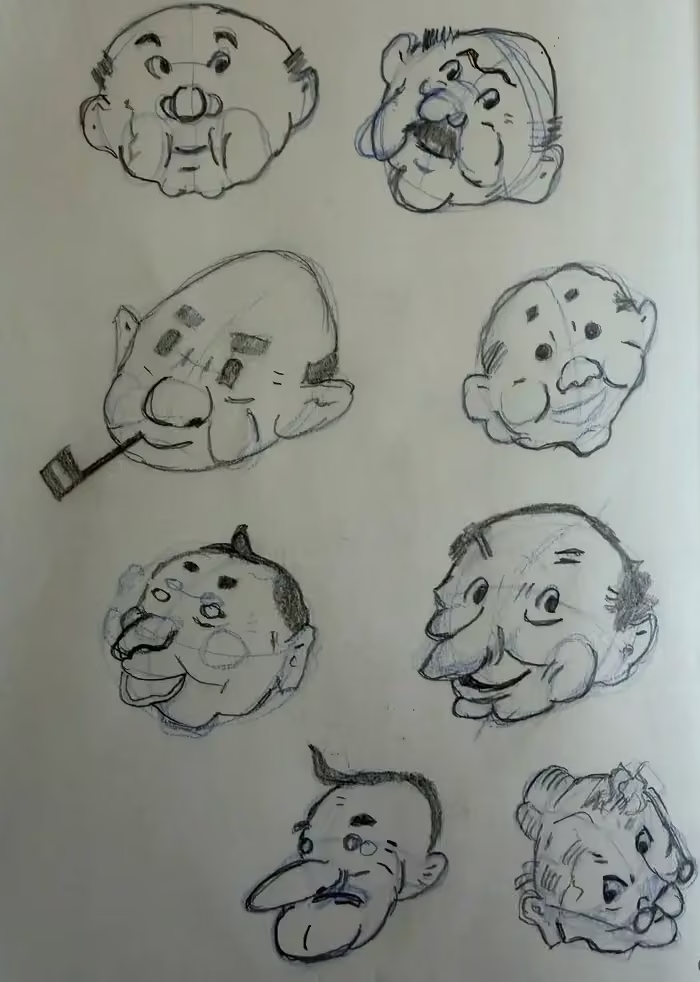
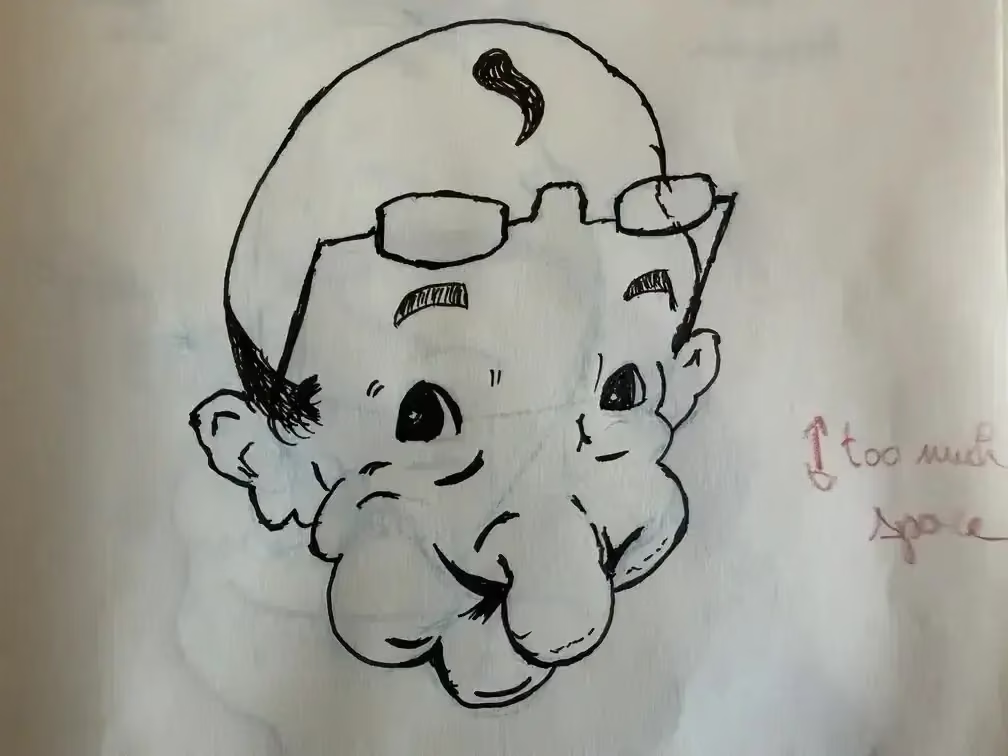
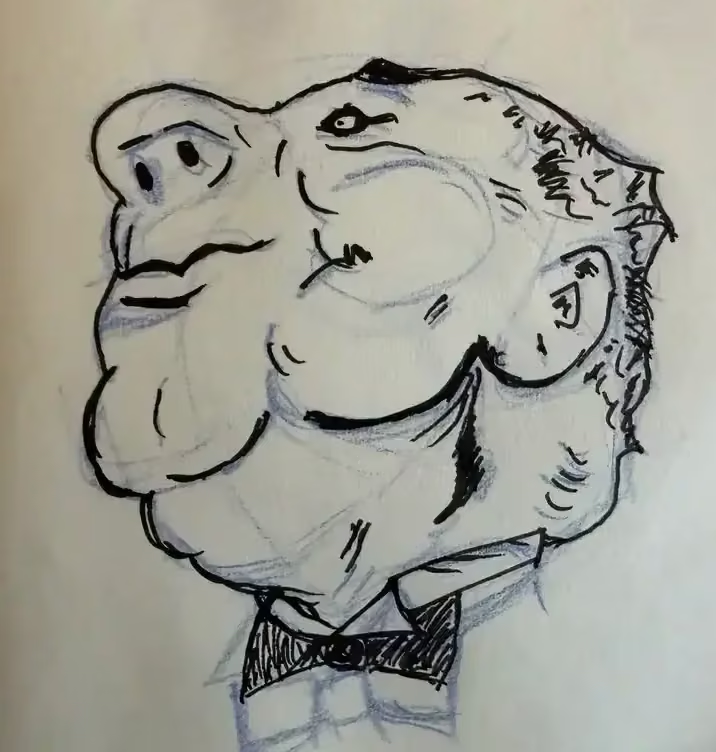
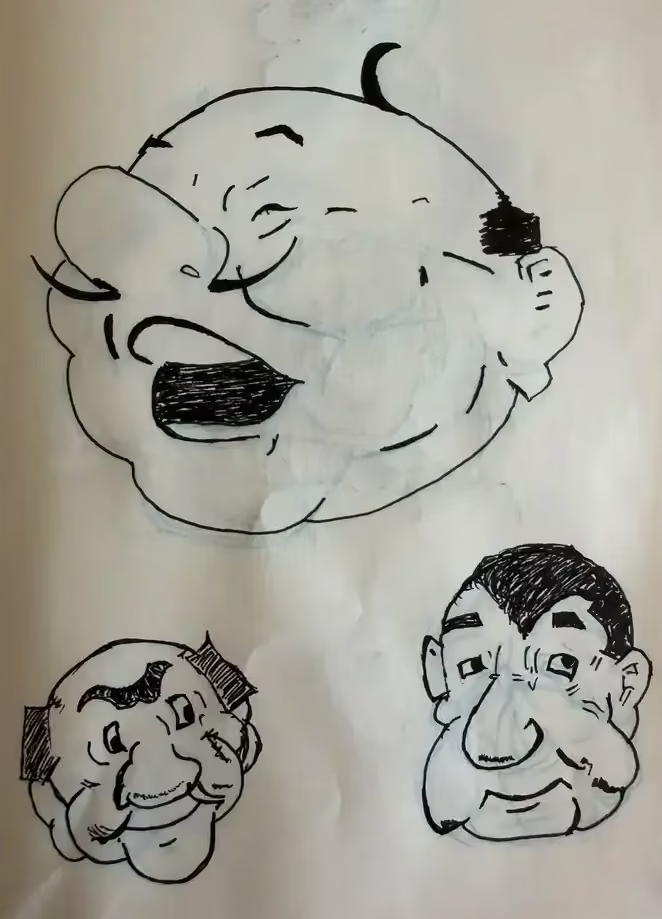
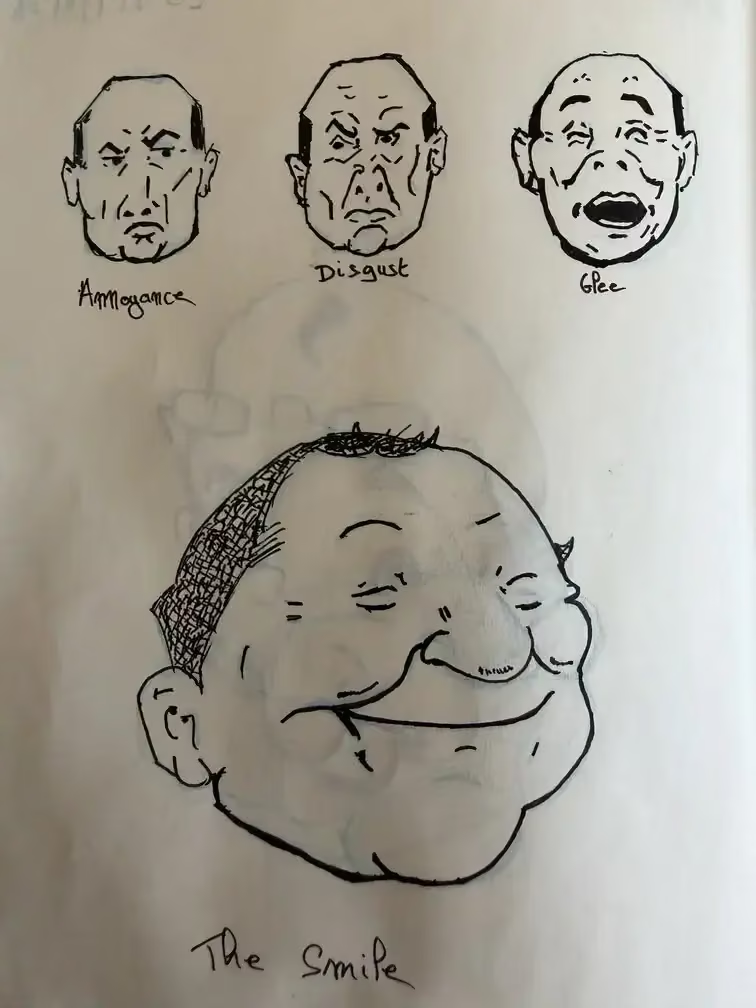
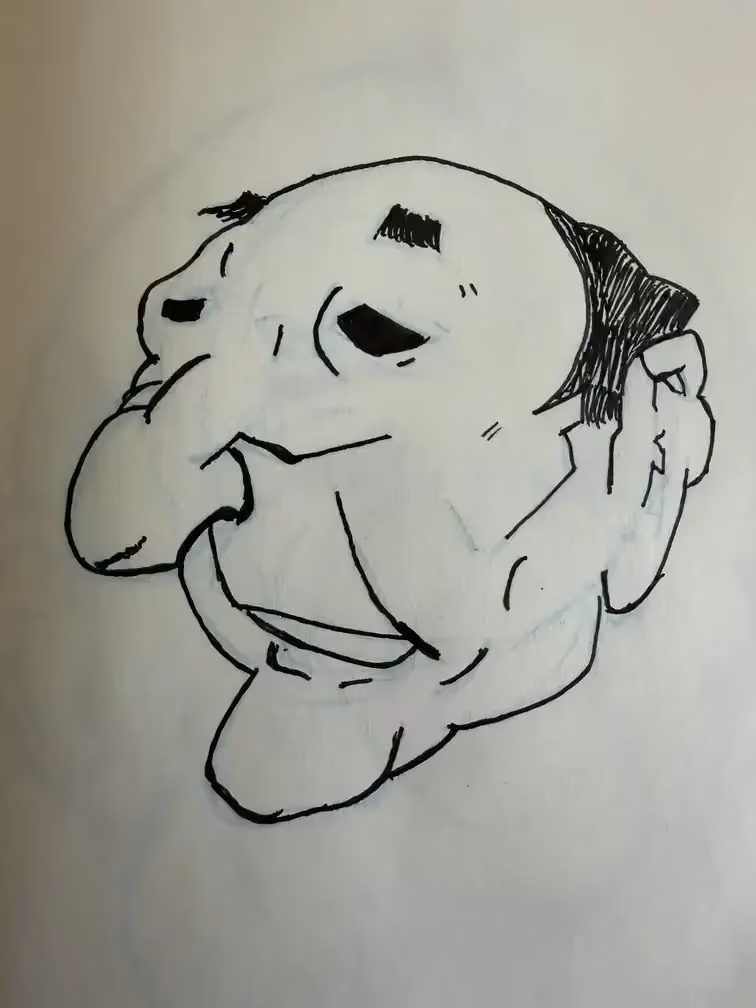
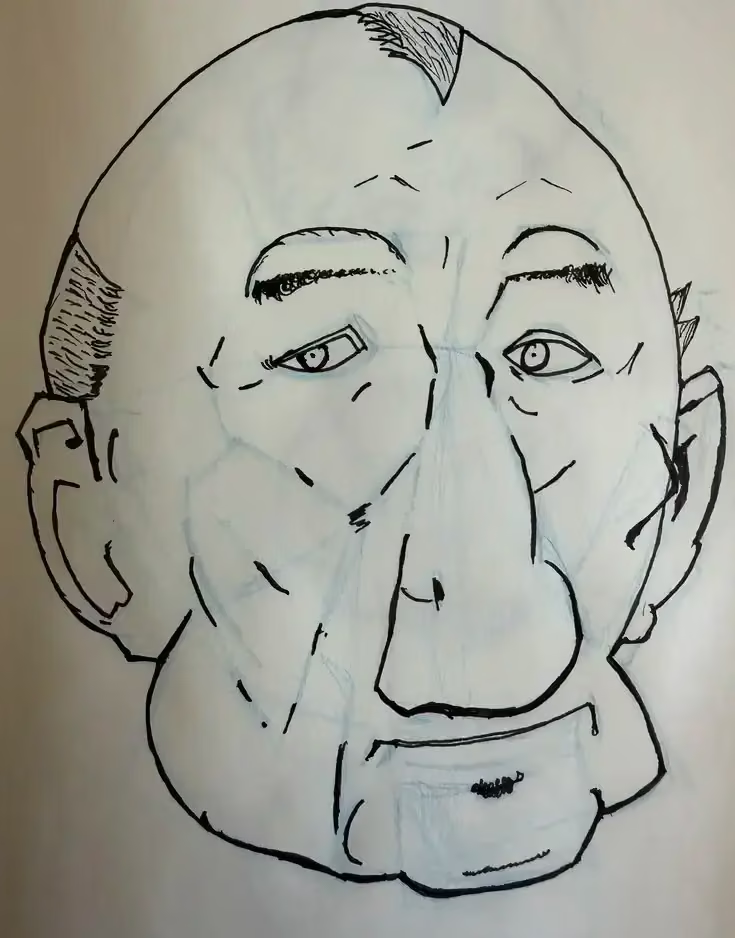
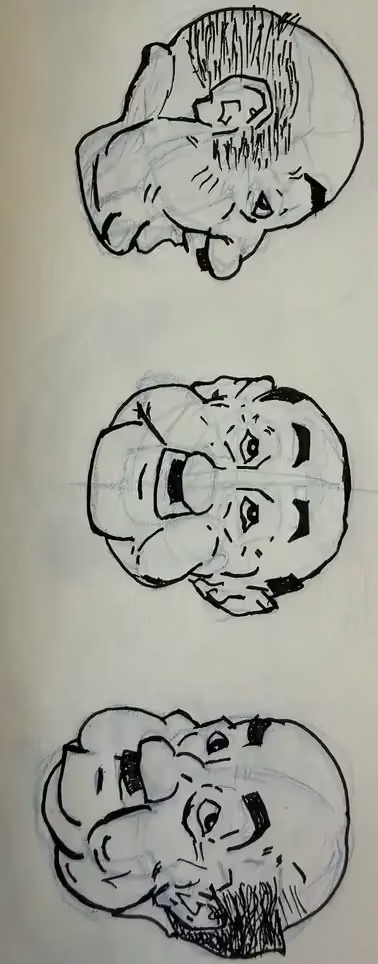
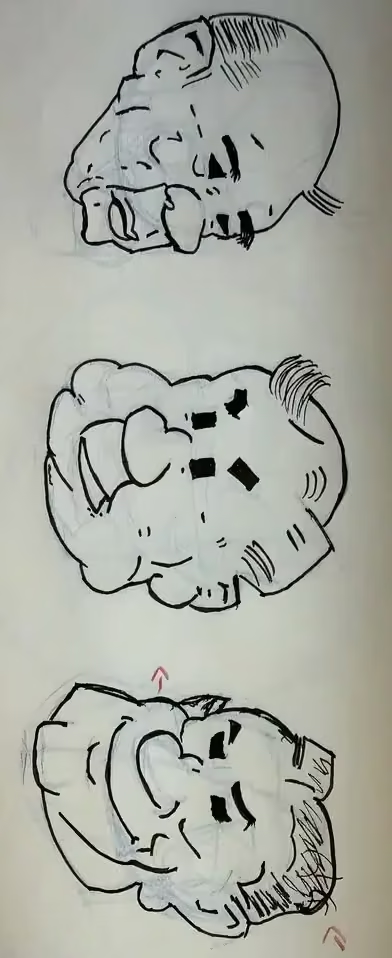
I let you appreciate my progress in chronological order. I usualy do the outline with a blue pen. Then I finish the lines with Ink. I use Midori notebooks, they are my favourites. I am trying to draw in different sizes, and not always the same archetypes (even if I adore the big noses).
For later
I am also following a more traditional course. I will let you know later on how it is going. I am having a lot of fun.
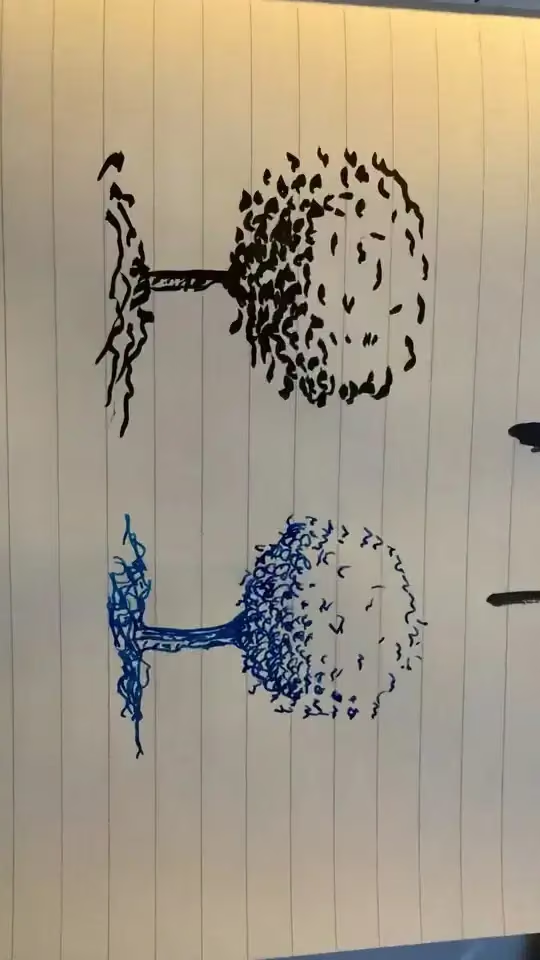
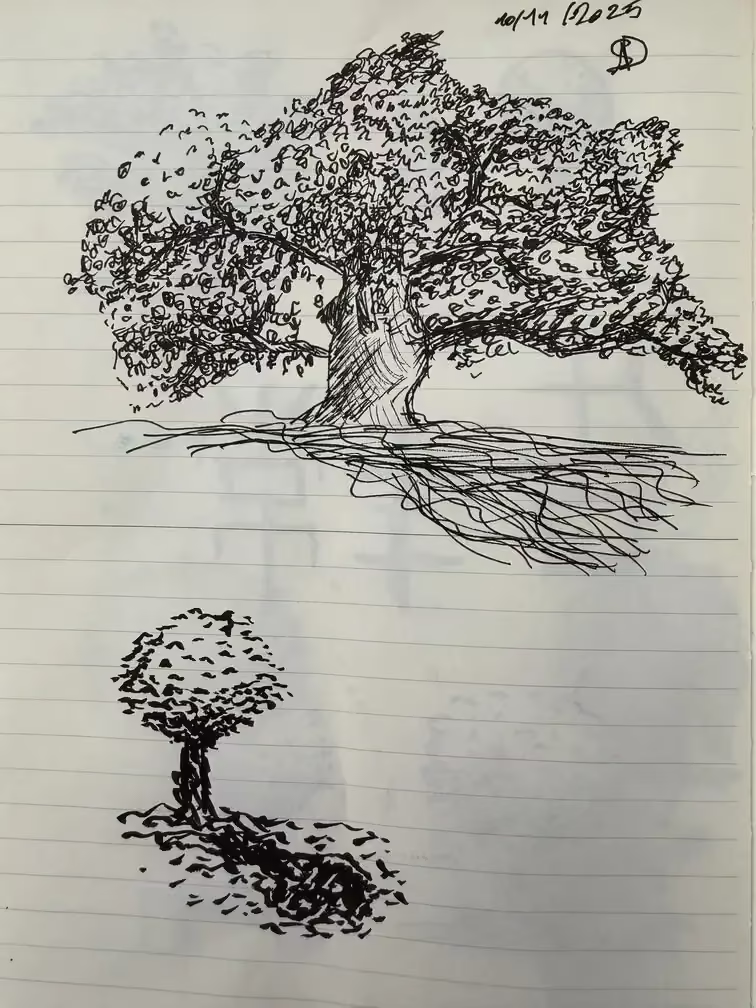
Random drawings to conclude (you see I am trying to study ink).